
Forklift Safety Inspections: What OSHA Expects and How to Stay Ahead of It

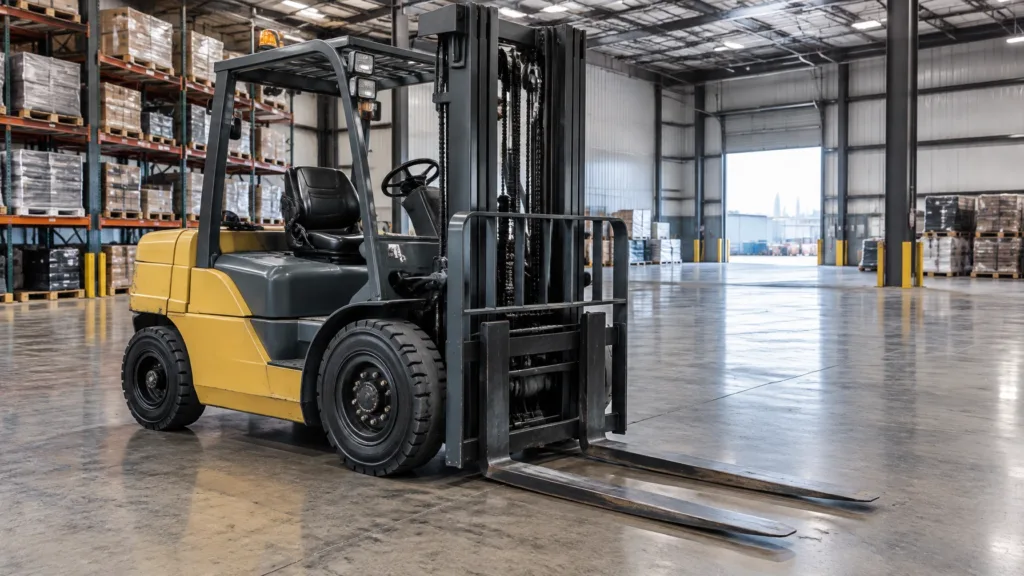
A consistent forklift inspection routine can help Houston operations catch safety problems before they cause an injury, unplanned downtime, or a scramble to locate maintenance records. The basic OSHA requirement is straightforward: powered industrial trucks must be examined before being placed in service, at least daily, and after each shift when used around the clock.
The details matter, though. What should the inspection cover? Which issues mean a truck should be taken out of service? And what records should your team keep?
This guide explains the essentials in plain English. It is general information, not legal advice. For requirements that apply to your workplace, consult OSHA’s powered industrial truck standard, 29 CFR 1910.178, and seek qualified safety or legal guidance as needed.
What OSHA expects from a forklift inspection
Under 29 CFR 1910.178(q)(7), a powered industrial truck must be examined before it is placed in service and at least daily. If it is used on a round-the-clock basis, it must be examined after each shift.
If an examination identifies a condition that could affect safety, the truck must not be put into service. OSHA also requires defects to be reported and corrected. Other parts of the standard require unsafe or defective trucks to be removed from service until they are restored to safe operating condition.
In practical terms, operators and supervisors need a clear process to:
- Check the truck before its use or shift.
- Report defects promptly and accurately.
- Keep unsafe equipment from being operated.
- Arrange repair by authorized personnel.
- Confirm the reported issue has been corrected before returning the truck to service.
OSHA’s federal rule does not require a written record of each daily examination. However, a written or electronic record helps your team track defects and show how they were handled. Your company’s policies or other applicable requirements may also call for records.
What a forklift inspection checklist should cover
Use a checklist suited to the specific truck, its attachments, and the manufacturer’s instructions. OSHA provides sample daily checklists for powered industrial trucks. A typical inspection has two parts: a visual check with the truck off, followed by operational checks in a safe area.

Before starting the truck
Look for visible damage, leaks, or changes since the last use. Depending on the truck, check:
- Forks and load backrest: Look for cracks, bending, damage, or missing retaining pins. Check that the load backrest is secure.
- Mast, chains, and hoses: Look for damaged chains, worn or uneven chain links, leaking or cracked hydraulic hoses, and obvious mast damage.
- Tires and wheels: Check for significant wear, cuts, chunking, loose hardware, or other damage that could affect operation. Tire condition standards vary by tire type.
- Leaks and fluids: Look for fuel, oil, coolant, or hydraulic fluid leaks. Check fluid levels as directed by the manufacturer.
- Safety equipment and information: Check that the horn, lights, warning devices, and other required equipment appear present and intact. Make sure the capacity data plate is legible and matches the truck’s configuration.
- Truck condition: Check the overhead guard, seat belt or restraint system, battery or fuel system, and visible wiring for damage or other concerns.
The correct checklist depends on the truck. For example, electric trucks and internal-combustion trucks have different power systems and inspection points. If an attachment or modification has changed the truck’s configuration, confirm the capacity information is still correct and legible.
After starting the truck
In an appropriate clear area, check the controls and basic functions, including:
- Service and parking brakes
- Steering
- Forward and reverse direction controls
- Lift and tilt functions
- Horn, lights, and warning devices
- Any unusual noise, vibration, or warning indicator
Do not continue testing if a serious defect appears. Follow your site’s out-of-service process and report the issue.
Common findings that can sideline a truck
Some problems are easy to spot but easy to overlook when a shift is busy. Pay particular attention to:
- Brakes that feel weak, uneven, or unresponsive
- Steering that binds, pulls, or feels unusually loose
- Damaged, uneven, or poorly maintained mast chains
- Tires with significant wear or damage
- Hydraulic or other fluid leaks
- A horn or warning device that does not work
- A missing, damaged, or unreadable capacity data plate
Not every defect has the same severity. But if a condition could affect safe operation, do not leave the decision to the next shift. Tag or otherwise clearly identify the truck as out of service, notify the appropriate supervisor or maintenance contact, and prevent its use until it has been repaired and cleared.

Operator checks and professional inspections serve different purposes
A pre-shift or pre-use examination is a routine check for visible defects and basic operating problems. It is not a substitute for planned maintenance or a more in-depth inspection by a qualified service professional.
Professional inspections can help identify developing wear and maintenance needs that may not be obvious during a routine check. Their scope and frequency should reflect the truck, its operating conditions, manufacturer guidance, and your maintenance program. OSHA’s daily examination requirement does not set one universal interval for every kind of professional inspection.
Large Lift Trucks offers forklift safety checks and surveys, as well as multi-point preventative maintenance inspections and in-shop 200-point inspections. Its mechanics service equipment ranging from 1,500 to 100,000 pounds. If a check identifies a repair need, your team can discuss the findings and arrange the appropriate work.
Need help reviewing a truck with a recurring safety concern? Request service to discuss the issue with the Large Lift Trucks team.
Build a documentation habit that works
Even though federal OSHA rules do not require a written record of every daily inspection, a short, consistent record can make it easier to identify repeat problems and follow repairs through to completion. Keep the process simple enough that it gets used.
A useful record can include:
- Truck number, make, model, or other identifier
- Date and shift
- Name or identifier of the person completing the check
- Inspection items marked pass, fail, or not applicable
- A clear description of any defect
- Who was notified and when
- Out-of-service or tag status
- Repair or work-order reference
- Date of correction and confirmation that the truck was cleared for service
A check mark alone is not enough if a defect was found. The record should show what happened next. Consider keeping inspection records and repair documentation together or cross-referenced, then review them periodically for repeat issues, overdue repairs, or trucks repeatedly being returned to service with the same concern.

Account for Houston heat and humidity
Houston operating conditions can add wear and maintenance demands. Extended heat can put added stress on cooling systems, tires, hoses, and seals. Humidity and moisture may contribute to corrosion or electrical connection problems, depending on where and how equipment is stored and used.
These conditions do not replace the standard inspection schedule, but they are good reasons to pay close attention to visible leaks, cracked or worn hoses, tire condition, battery or electrical components, and corrosion. Follow the manufacturer’s maintenance guidance, and report changes rather than waiting for a problem to become a breakdown.
For businesses handling multiple truck types, the right parts support can also help keep approved repairs moving. If you are assessing fleet options, you can review current forklift and equipment inventory.
Make safety checks part of the shift, not a paperwork exercise
A reliable forklift safety inspection process should be easy to follow and clear about who is responsible for reporting defects and keeping unsafe equipment out of service. Make sure each truck has a checklist that fits its configuration, operators know where to report problems, and maintenance teams can document repairs and return-to-service decisions.
For more specific requirements, use OSHA’s powered industrial truck resources and consult a qualified safety professional. For forklift safety in Houston, Large Lift Trucks can also help with equipment checks, surveys, preventative maintenance, and repairs.
When it is time to schedule service, request an appointment online, call (713) 670-8700, or visit the service team page to learn more.
FAQs
Does OSHA require a written daily forklift inspection form?
The federal powered industrial truck standard requires examinations but does not itself require a written record of each daily examination. Records can still be valuable for tracking defects and repairs, and your employer’s policy or other applicable requirements may require them.
When does a forklift need to be inspected?
A powered industrial truck must be examined before it is placed in service and at least daily. For trucks used around the clock, OSHA requires an examination after each shift. Your company may set additional inspection requirements.
What should happen if an operator finds a safety defect?
The operator should report it promptly and follow the site’s process for removing the truck from service. If the condition could affect safe operation, the truck should not be used until the issue is corrected and the equipment is confirmed safe to return to service.
Is a pre-shift check the same as preventative maintenance?
No. A pre-use examination looks for defects and operating problems before a truck is used. Preventative maintenance and professional inspections are broader service activities, scheduled according to equipment needs, manufacturer guidance, and the operation’s maintenance program.