
Financing a Forklift in Houston: Your Options, Explained

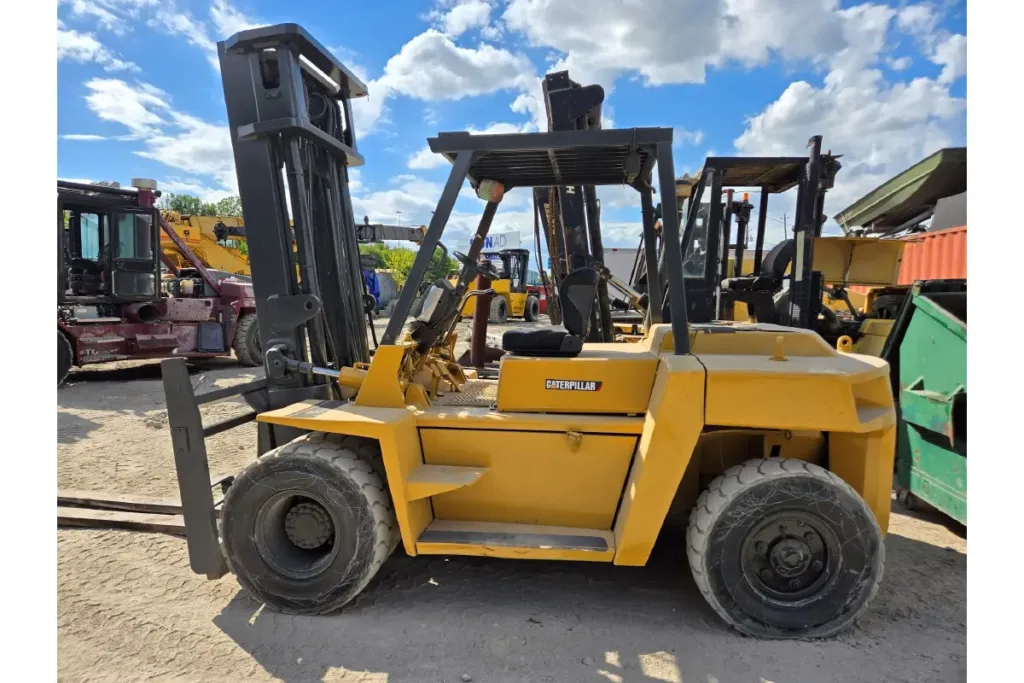
If your Houston operation needs a forklift, how you pay for it can matter nearly as much as which truck you choose. Paying cash, taking out equipment financing, leasing, and rent-to-own arrangements each affect cash flow, ownership, maintenance responsibilities, and what happens at the end of the term.
There isn’t one right answer for every business. The best fit depends on how often you’ll use the truck, how long you plan to keep it, and how much cash you want available for other needs.
Forklift financing options at a glance
| Option | Ownership | Cash-flow impact | Maintenance and end-of-term considerations |
|---|---|---|---|
| Pay cash | You own it outright | Largest upfront payment; no loan payment | You manage upkeep and can sell the truck later |
| Equipment loan or term financing | You own it, subject to the loan until paid | Down payment plus regular payments | You generally handle maintenance; the truck is yours after the final payment |
| Lease | Depends on the lease structure | Often spreads costs into scheduled payments | Check who covers maintenance and whether you return, renew, or buy the truck |
| Rent-to-own | Purchase may be an option, subject to the contract | May require less upfront cash, but total cost can vary | Confirm maintenance duties, rent credits, purchase price, and return rules |
The table is a starting point, not a substitute for comparing written offers. Fees, insurance, taxes, service coverage, and end-of-term costs can change the total.
1. Paying cash: straightforward ownership
Paying cash avoids interest and gives your business ownership without a monthly loan obligation. It can be a practical choice when the purchase won’t strain working capital and the forklift is expected to stay productive for years.
The tradeoff is that money spent on the truck is no longer available for payroll, inventory, repairs, or other investments. You’ll also be responsible for maintenance and repairs. Before paying upfront, consider whether retaining some cash in reserve would be more valuable to your operation.
2. Equipment financing or a term loan: payments toward ownership
With equipment financing, a lender provides funds for the purchase and your business repays them over an agreed term. The forklift often serves as collateral. If the loan is paid as agreed, the business owns the equipment outright at the end.
Potential advantages:
- Spreads the purchase cost into scheduled payments.
- Supports long-term ownership and potential resale value.
- Can help preserve cash for other business expenses.
Points to check:
- The interest rate, fees, down payment, and full amount repaid.
- Whether there are prepayment charges or a balloon payment.
- Insurance requirements and any personal guarantee.
- Who is responsible for service, repairs, and downtime.
Your business usually remains responsible for maintenance while financing the truck. Large Lift Trucks also offers forklift service in Houston and forklift parts to support ongoing upkeep.
3. Leasing: scheduled payments with a defined end point
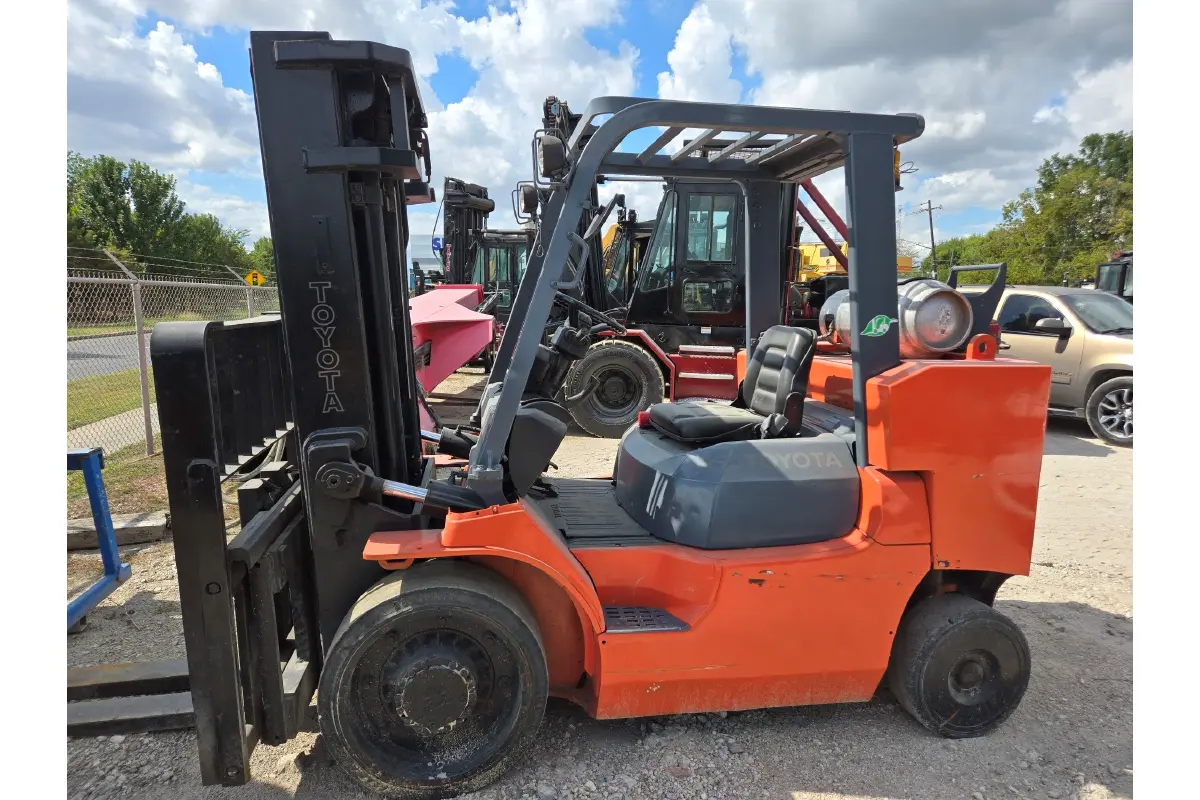
A lease can suit businesses that want regular payments or expect to replace equipment on a planned cycle. However, “lease” can describe different arrangements. Some contracts allow you to return the forklift, renew the lease, or purchase it for a stated amount. Others are structured so that ownership transfers after the final payment or a specified buyout.
Before signing, ask:
- Who is responsible for routine maintenance and unexpected repairs?
- Are there usage or operating-hour limits?
- What condition must the forklift be in if it is returned?
- What are the purchase, renewal, and return options at the end?
- Are there fees for early termination, excess wear, or additional hours?
A lower monthly payment doesn’t automatically mean a lower total cost. Compare the full payment schedule and end-of-term amount with the cost of financing a purchase.
4. Rent-to-own: flexibility that needs close review
Rent-to-own-style agreements may let a business use a forklift while retaining an option to purchase it later. Depending on the contract, some rent payments may count toward the purchase price. Don’t assume they do: confirm the exact credit and conditions in writing.
Review the full scheduled rent, any initial payment, the final purchase amount, maintenance responsibilities, and what happens if you return the truck or end the agreement early. Also ask whether missed or late payments affect accumulated credits.
This option may provide flexibility, but its total cost can be difficult to compare unless the contract clearly sets out every payment and end-of-term outcome.
What might a lender consider?
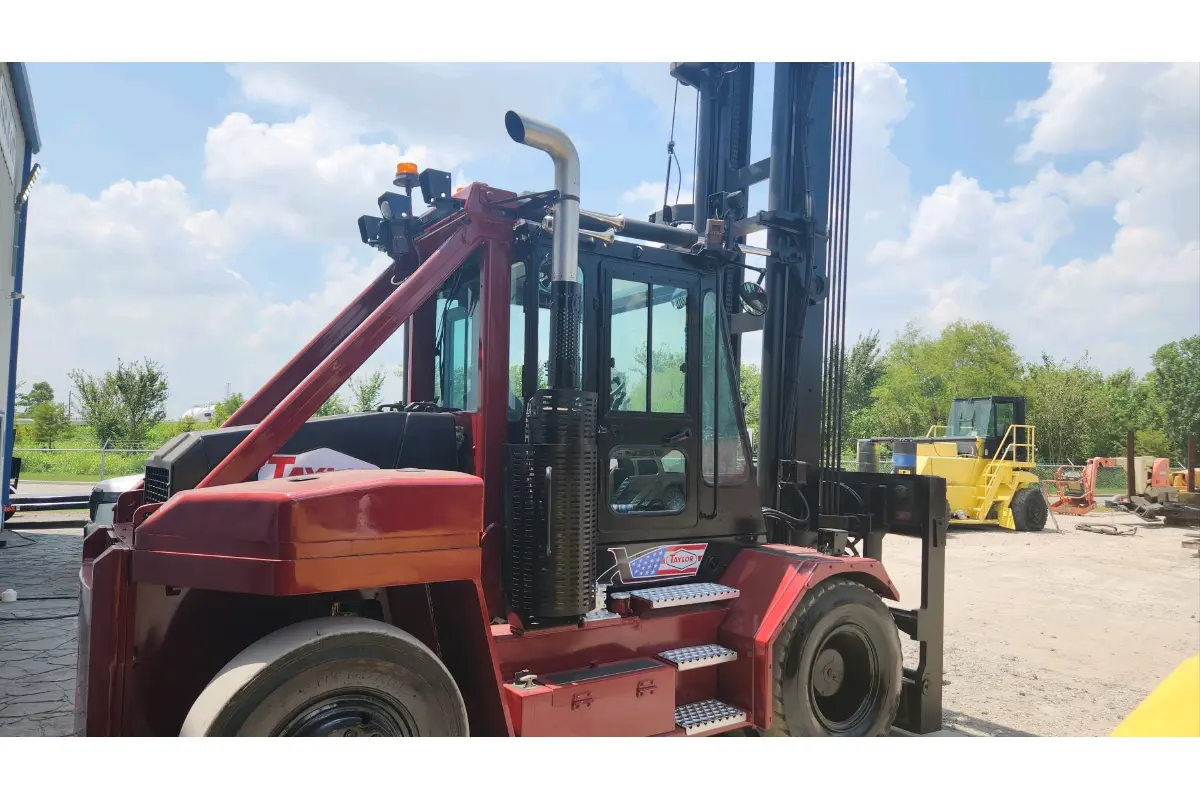
Requirements vary by lender and by the equipment being financed. In general, a lender may review:
- Time in business and credit history: These can help the lender assess repayment risk.
- Business finances: The lender may ask for financial statements or other information about cash flow and existing obligations.
- Equipment details: Make, model, year, condition, hours, price, and expected use can all be relevant.
- Down payment: The amount required depends on the lender, applicant, and transaction.
- Application and ownership details: Be ready to provide business and contact information and identify the equipment you want to finance.
Providing accurate details and a written equipment quote can make it easier to understand what a lender is asking you to consider. Approval, rates, down payment, and terms are determined by the financing provider.
Comparing options for a Houston operation? Large Lift Trucks offers flexible financing on new and used forklift sales. You can review the financing information and submit the credit application. The application is described by Large Lift Trucks as safe, secure, and confidential; submitting it does not guarantee approval.
Worked example: monthly payment versus total cost
Here’s an illustration of how a smaller monthly payment can mean a higher overall financing cost. It is not a quote. Assume a $40,000 forklift, $4,000 down, and no taxes, delivery, fees, maintenance, or insurance included:
- 60-month loan at an assumed 9% APR: About $747 per month. The down payment plus scheduled loan payments total about $48,820.
- 36-month loan at an assumed 8% APR: About $1,130 per month. The down payment plus scheduled loan payments total about $44,680.
The 60-month option has the lower payment, but costs roughly $4,140 more in total payments and down payment under these assumptions. The 36-month option requires a higher monthly commitment and pays off sooner.
To estimate five-year ownership cost, suppose either financed truck needs $10,000 in maintenance over five years and could be sold for $12,000 at the end. The illustrative net cost would be about $46,820 for the 60-month loan or $42,680 for the 36-month loan: purchase financing cost, plus assumed maintenance, minus assumed resale value.
Those maintenance and resale figures are examples only. Actual results depend on the forklift’s condition, hours, work environment, service needs, and resale market. A full comparison should also include taxes, delivery, attachments, insurance, and any lender or contract fees.
Which option fits your operation?
Use this checklist as a first pass:
- Choose cash if the purchase fits your budget and keeping cash available elsewhere is not a priority.
- Compare equipment loans if you expect to use the forklift long term and want to own it.
- Consider a lease if planned payments and equipment replacement flexibility matter, and the end-of-term terms are clear.
- Review rent-to-own carefully if you want a purchase option but need flexibility; verify the total cost and all rent credits first.
- For any option, match the forklift’s capacity, condition, and features to the work before comparing payment plans.
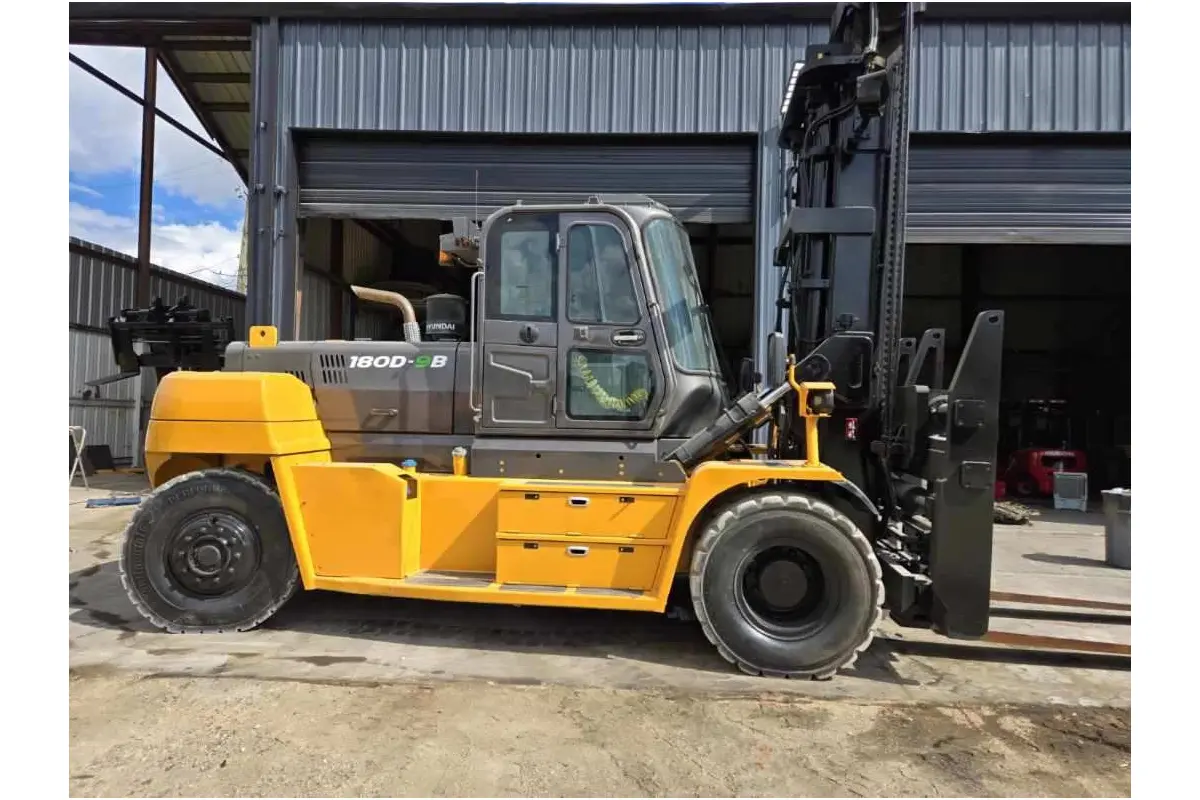
A lower equipment price can also reduce the amount you need to finance. Large Lift Trucks’ used units are often priced 30–40% below typical dealer pricing, though actual pricing varies by equipment and availability. Explore used forklift inventory or new Hoist forklifts. If you need a heavy duty forklift for sale or are comparing forklift sales in Houston, TX, ask for a current quote and compare the full cost, not only the monthly payment.
Frequently asked questions
Does financing mean my business owns the forklift?
With a typical equipment loan, the business generally owns the forklift, subject to the lender’s security interest until the debt is paid. Lease and rent-to-own arrangements vary, so check the contract to see whether ownership transfers or is optional.
Can a business finance a used forklift?
Large Lift Trucks offers financing on new and used forklift sales. The financing provider determines eligibility and terms, which may depend on the equipment and applicant.
Is leasing always cheaper than financing?
No. Leasing may result in a lower monthly payment, but the total depends on the payments, fees, maintenance obligations, and end-of-term choice. Compare the complete contract with a purchase-financing quote.
What should I have ready before applying?
Gather the equipment’s make, model, year, and price, along with the business information requested in the application. A current quote can help clarify the transaction being reviewed.
How can I compare financing options?
Request written terms and compare the down payment, payment amount and schedule, fees, total payments, maintenance responsibilities, and end-of-term costs. For a purchase, consider expected service costs and resale value as well.
To discuss equipment, pricing, or financing for your Houston business, contact Large Lift Trucks or call (713) 670-8700. You can also start with the credit application.