
Electric vs. Diesel Yard Spotters: Which is Right for Your Fleet?

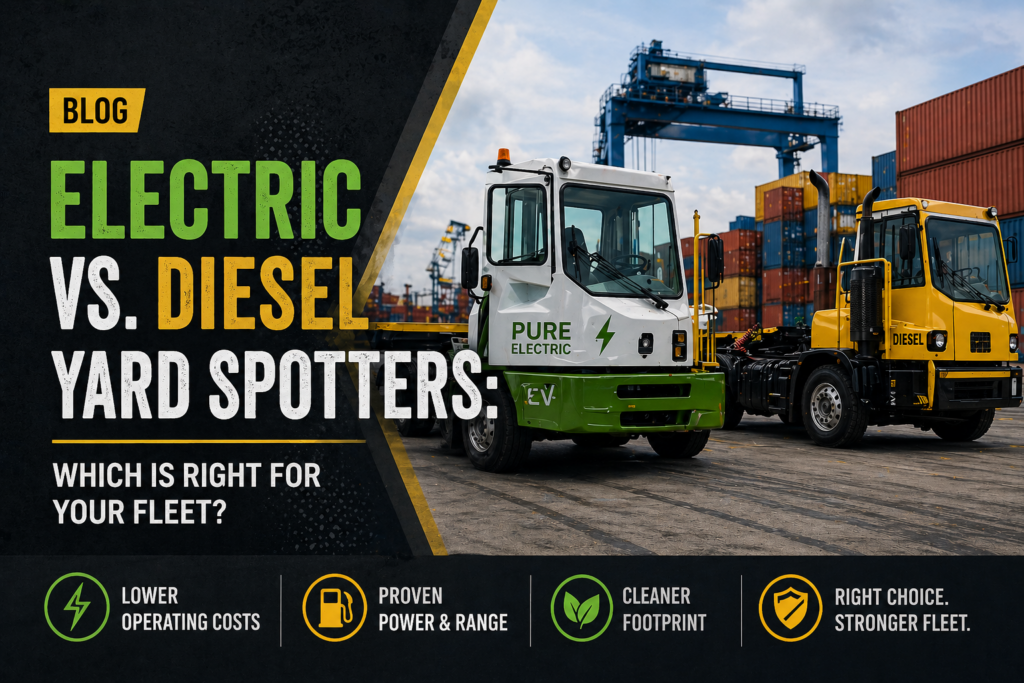
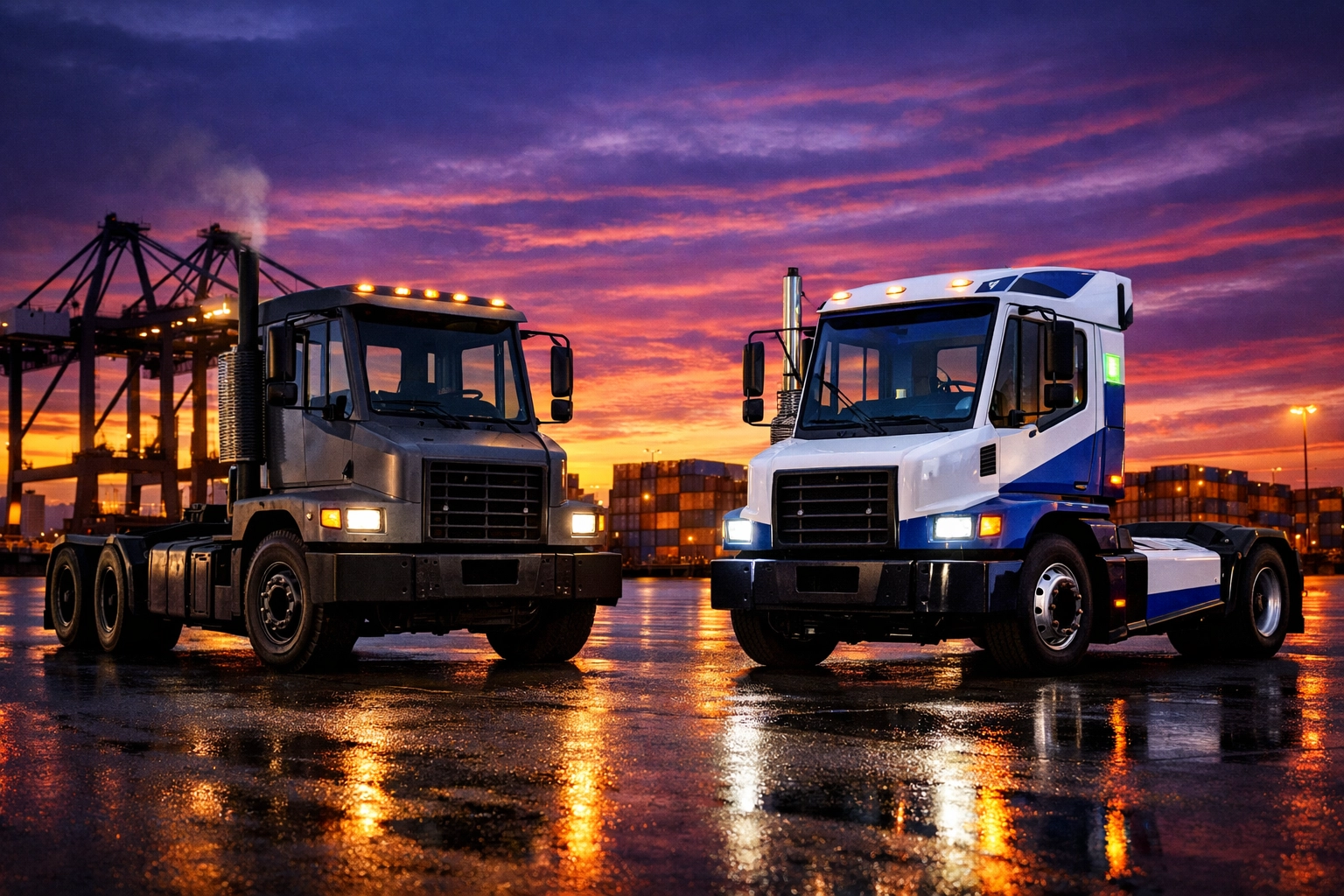
If you operate a distribution center, warehouse, or a busy port terminal in the Houston area, you know that the yard spotter, often called a terminal tractor, yard dog, or yard jockey, is the heartbeat of your operation. These specialized machines move trailers with a speed and efficiency that a standard semi-truck simply can’t match. However, as technology evolves and environmental regulations tighten, many fleet managers across Texas are facing a difficult choice: stick with the proven power of diesel or make the leap to electric?
Choosing between a diesel and an electric terminal tractor isn’t just about “going green.” It’s a strategic business decision involving performance metrics, infrastructure costs, and long-term ROI. In this guide, we will break down the differences between these two powerhouses to help you decide which one is right for your Texas fleet.
Understanding the Role of the Terminal Tractor
Before we dive into the fuel types, it is important to understand exactly what these machines do. A yard spotter is designed for one thing: moving trailers quickly within a confined space. If you are unfamiliar with the specifics of these machines, you might find our article on exactly what a terminal tractor is quite helpful.
In a high-volume Houston logistics hub, these tractors are constantly idling, accelerating, and stopping. This duty cycle is significantly different from a long-haul truck, which is why the debate between electric and diesel is so specific to this vehicle class.
The Diesel Standard: Reliability and Raw Power
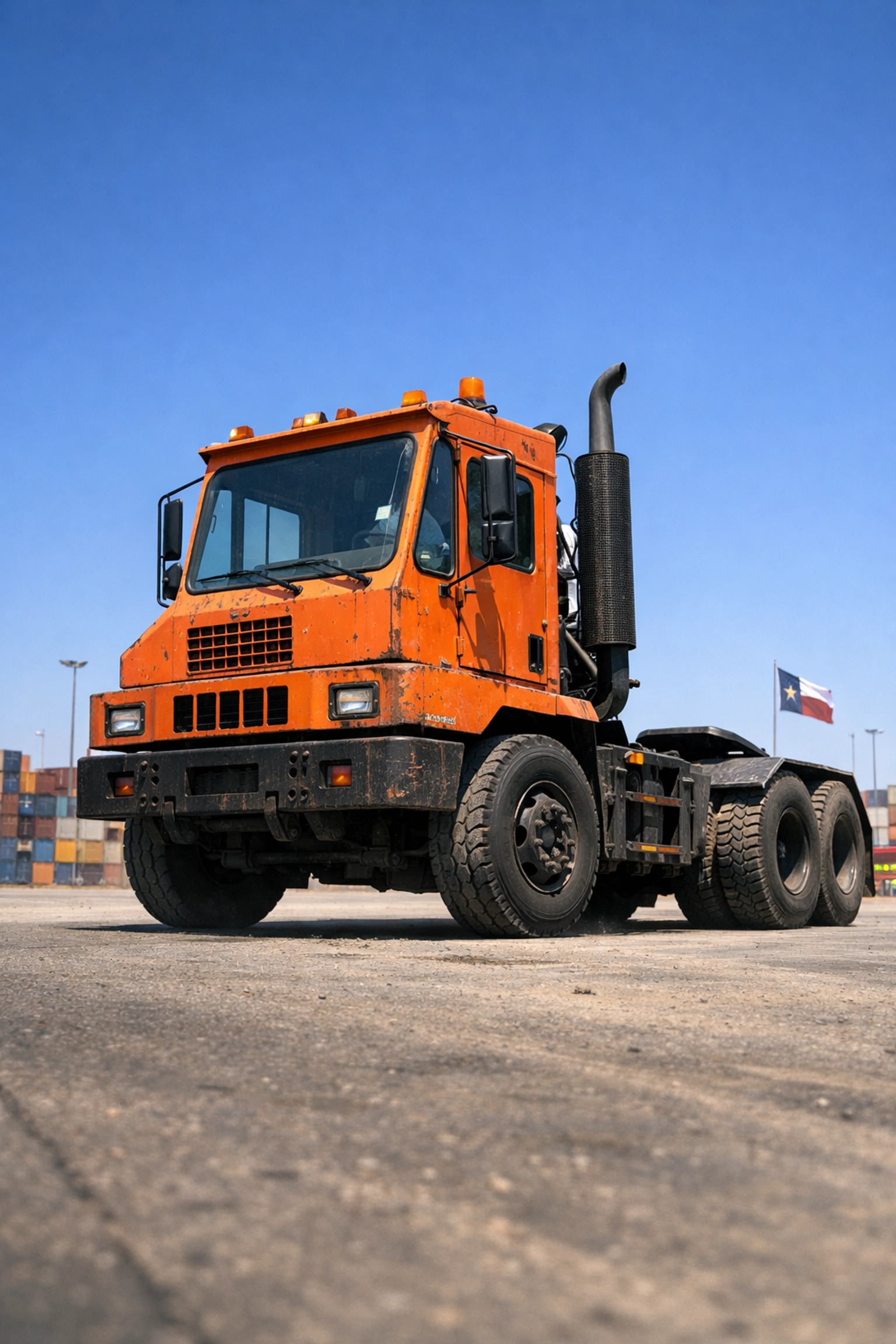
For decades, diesel has been the undisputed king of the yard. There are several reasons why diesel yard spotters remain the go-to choice for many operations in Texas.
High Performance in Demanding Conditions
Diesel engines are known for their high torque and ability to work through long, grueling shifts without stopping. In a typical outdoor yard in Houston, where temperatures can soar and the ground can be uneven, the raw power of a diesel engine is highly reliable. You can rest assured that a diesel tractor will pull the heaviest loads without breaking a sweat.
Infrastructure and Familiarity
Most facilities in Texas are already set up for diesel. You likely have a fuel tank on-site or a nearby refueling station. Your mechanics probably know these engines inside and out. For many, the “if it isn’t broken, don’t fix it” mentality applies here. If you are looking to add to your fleet quickly, check out our buyer’s checklist for yard spotter trucks to see what to look for in a diesel unit.
The Electric Evolution: Efficiency and Innovation
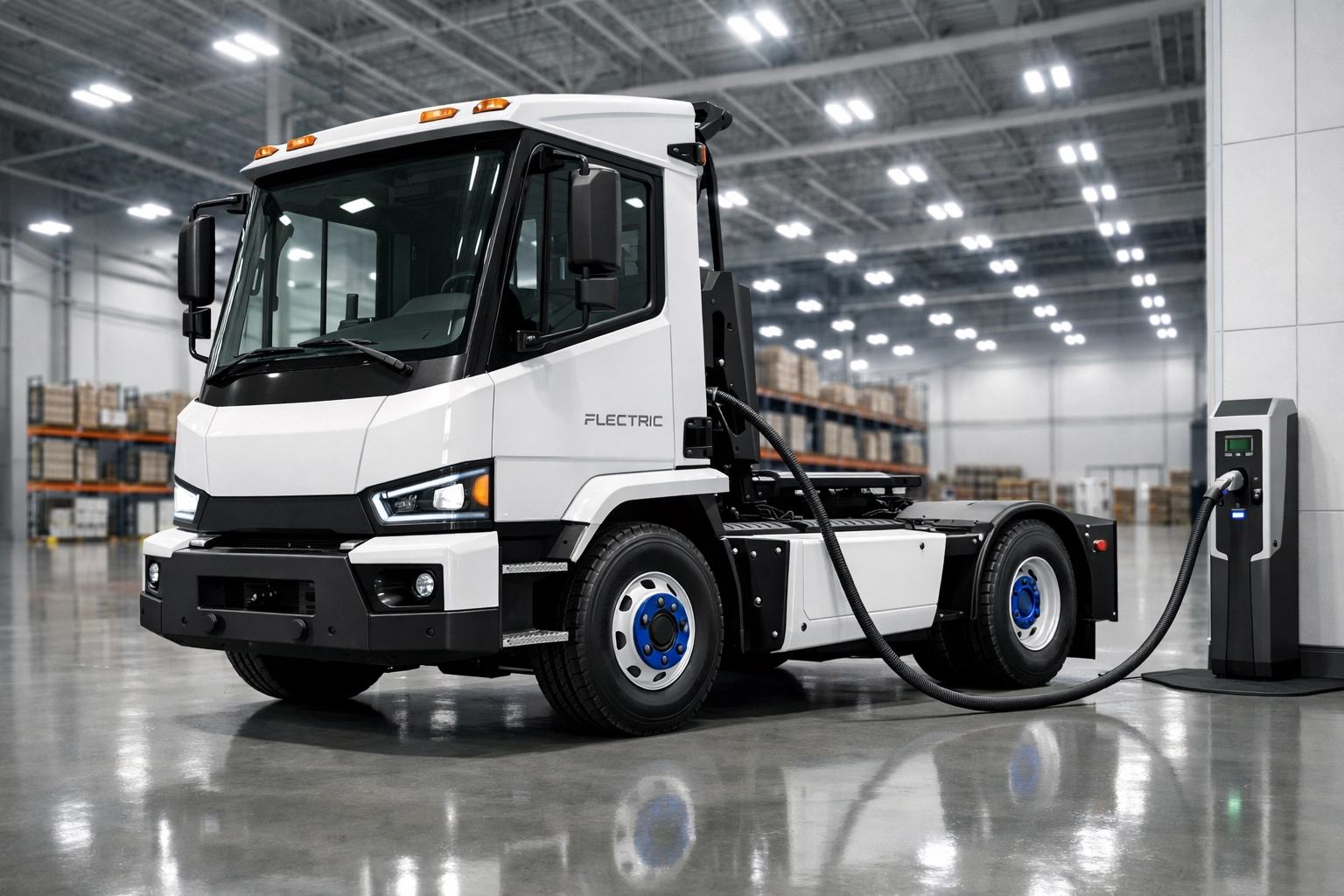
The move toward electrification is not just happening with small passenger cars or even electric forklifts; it is rapidly taking over the yard. Electric yard spotters are becoming a viable, and often superior, alternative for specific types of operations.
Suitability for Indoor and Warehouse Environments
One of the biggest advantages of an electric terminal tractor is the lack of exhaust. If your operation requires the tractor to pull trailers into a warehouse or an enclosed loading dock, diesel fumes can become a safety and health hazard for your employees. Electric models produce zero emissions, making them the perfect fit for “hybrid” indoor/outdoor roles.
Energy Cost Savings
While the initial price tag of an electric unit is higher, the operational costs are significantly lower. Research shows that electric heavy-duty vehicles can operate at roughly 15-25 cents per mile in energy costs, whereas diesel units can cost 50-70 cents per mile. In a busy Houston yard where a tractor runs 18 hours a day, those pennies add up to thousands of dollars in savings every year.
Comparing Performance: Torque and Uptime
A common concern among fleet managers is whether an electric motor can handle the weight of a fully loaded 53-foot trailer. The answer might surprise you.
- Torque: Electric motors provide 100% of their torque instantly. This means an electric yard spotter can often accelerate a heavy trailer faster than a diesel counterpart, which needs to ramp up RPMs.
- Uptime: Diesel units require refueling, which takes minutes. Electric units require charging, which can take hours. However, with “opportunity charging” during operator breaks or shift changes, many Texas fleets find they can keep electric units running almost indefinitely.
- Noise Pollution: Electric tractors are nearly silent. This is a massive benefit if your Houston facility is located near residential areas or if you are looking to improve the working environment for your ground crew and yard jockeys.
If you are curious about the day-to-day life of the people operating these machines, you can read more about the yard jockey job description and requirements here.
The Cost Analysis: Upfront vs. Long-Term ROI
When deciding which is right for your fleet, you have to look past the sticker price.
- Acquisition Cost: Diesel tractors are significantly cheaper to buy upfront. Electric tractors can cost double or even triple the price of a diesel unit, depending on the battery configuration.
- Maintenance: This is where electric wins. A diesel engine has hundreds of moving parts, cooling systems, exhaust treatments (DEF), and oil requirements. An electric motor has very few moving parts. You can expect to see maintenance costs drop by 40-60% when switching to electric.
- Infrastructure: To run electric, you need charging stations. This requires an upfront investment in your Houston facility’s electrical grid. However, once the infrastructure is in place, you are protected from the volatile price swings of diesel fuel.
Which is Right for Your Houston Operation?
It is best that you evaluate your specific duty cycle before making a purchase. Here is a quick breakdown to help guide your decision:
Choose Diesel if:
- Your tractors run 24/7 with very little downtime for charging.
- You operate in a strictly outdoor environment with extremely heavy loads.
- You do not have the capital to invest in charging infrastructure right now.
- You are looking for a high-quality used yard spotter with a lower entry price.
Choose Electric if:
- Your operation involves significant indoor or warehouse time.
- You want to reduce your carbon footprint and comply with future environmental regulations.
- You are focused on the lowest possible total cost of ownership (TCO) over 5-10 years.
- Your yard is located in a noise-sensitive area of Houston.
How Large Lift Trucks, Inc. Can Help
Whether you are leaning toward the traditional power of diesel or the innovative efficiency of electric, we are here to help you navigate the process. We understand the unique challenges of the Texas material handling industry. If you aren’t ready to buy just yet, we also offer flexible options for forklift rental in Houston and other equipment to keep your yard moving.
We highly recommend speaking with one of our experts to run a cost-benefit analysis for your specific site. You can find a sales rep here who can walk you through our current inventory and help you find the perfect match for your needs.
FAQs
Q: Do electric yard spotters work well in the Texas heat?
A: Yes, modern electric terminal tractors are designed with advanced thermal management systems. While extreme heat can affect battery efficiency slightly, they are more than capable of handling a standard Houston summer.
Q: Can I rent a yard spotter to try it out?
A: Absolutely. Many fleets choose to rent before they commit to a purchase. Check out our checklist for forklift and equipment rental to ensure you get exactly what you need.
Q: How long does a battery last on an electric yard spotter?
A: Most batteries are rated for 8-10 years of service, depending on the duty cycle and charging habits.
Q: Is it hard to find parts for electric units?
A: While they are newer, the industry is catching up fast. Just as we stock Caterpillar forklift parts, we are constantly expanding our support for newer electric technologies.
Final Thoughts
Choosing between electric and diesel yard spotters is a major milestone for any fleet. While diesel remains the reliable workhorse of Texas, electric is proving to be a cost-effective, clean, and powerful contender. Now, isn’t that a win-win situation?
If you are ready to take the next step, contact your local experts at Large Lift Trucks, Inc. today. We can help you compare models and find the equipment that will keep your Houston operation running at peak efficiency for years to come.
Ready to upgrade your yard?